

Help Senior Pets Stay Active
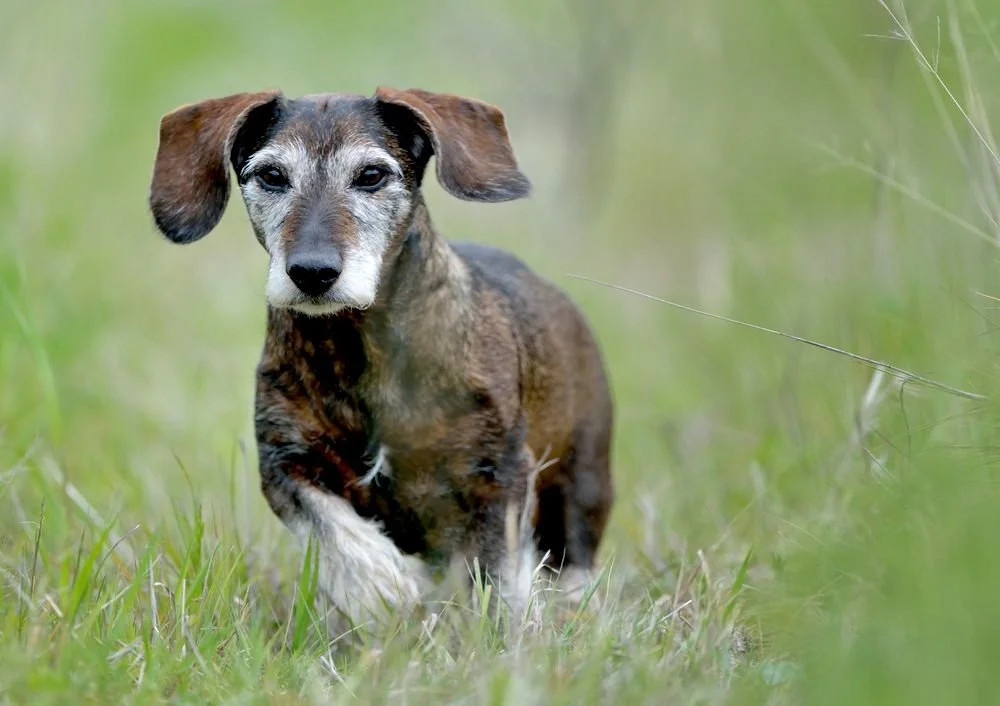
November is Senior Pet Month, a great reminder that age doesn’t have to mean slowing down. With the right approach to exercise, environment, and daily care, our senior dogs, horses, and cats can continue to move comfortably and enjoy an excellent quality of life.
Senior Dogs
Moderate, consistent exercise helps maintain joint flexibility and muscle tone. Shorter, more frequent walks are often better tolerated than long outings, and swimming or underwater treadmill sessions can build strength with minimal impact. Warm up gently at a walk before faster activity and include a few minutes of walking afterward to cool down. Consider traction mats on slick floors and low platforms for easier access to favorite resting areas.
Senior Horses
Regular, low-impact movement supports circulation, digestion, and joint health. Turnout time is invaluable—movement throughout the day reduces stiffness. If you are rehabbing a soft tissue injury, you can substitute controlled exercise. For ridden work, prioritize long warm-ups, stretching, and exercises that build stability, such as ground poles at the walk. Monitor for subtle signs of discomfort or unevenness that may indicate the need for a veterinary exam.
Senior Cats
Cats benefit from gentle encouragement to stay mobile. Provide soft climbing options or ramps to favored spots, and use interactive toys to spark playful movement. Maintaining muscle tone helps preserve balance and coordination, reducing fall risk in older cats. Warm, draft-free resting areas and accessible litter box placement can also make a big difference in daily comfort.